Submit a Nomination for the APPE Board of DirectorsThe nomination period for the 2026 APPE Board of Directors Election is now open. This year, there are three open positions. Nominations will be accepted until December 15, 2025. Candidates must be current APPE members in good standing of at least two consecutive years (with a preference for three or more), with dues paid and no unresolved APPE Code of Conduct or conflict of interest issues. If elected, they must maintain their APPE membership in good standing throughout the term of their service on the Board. Board terms are four years and will run from July 1, 2026 - June 30, 2030. Self-nominations are welcome. Before submitting a nomination, please read our Board Expectations and Roles & Responsibilities of Board Members. We are striving for an APPE Board that is inclusive and diverse and that will help guide the organization during the coming years. We encourage nominations that broaden the range of perspectives and experiences currently represented on the Board, including those from communities and identities not always well represented in our fields. We also welcome recommendations of candidates from a wide array of disciplines, sectors (including outside academia), backgrounds, orientations, and abilities to strengthen the Board’s capacity to serve the organization and its mission. The Nominating Committee will review all candidates and follow up with each one to determine a competitive slate to present to the Board of Directors. If selected for the slate, candidates will be announced at the annual conference and stand for election in spring, 2026. |
|
| Introducing the APPE Endowment As Board Chair Dennis Cooley announced earlier this week, we are launching the APPE Endowment, a long-term fund designed to secure APPE’s future and ensure we thrive for generations to come. Across higher education and in the field of ethics more broadly, we are living through a challenging and uncertain time. Resources are tightening. Emerging scholars need more support, not less. Professionals navigating ethical dilemmas need community and guidance. And APPE must remain a consistent, flourishing hub for this work. That’s why the APPE Board has made the strategic decision to build an endowment that is centered on Sustainable Stewardship. Support from ethically driven scholars and professionals like you helps ensure APPE remains strong–not just for the next year, but permanently.
Thanks to your generosity we raised $1,650 in one day! Will you join us? |
|
APPE Member Spotlight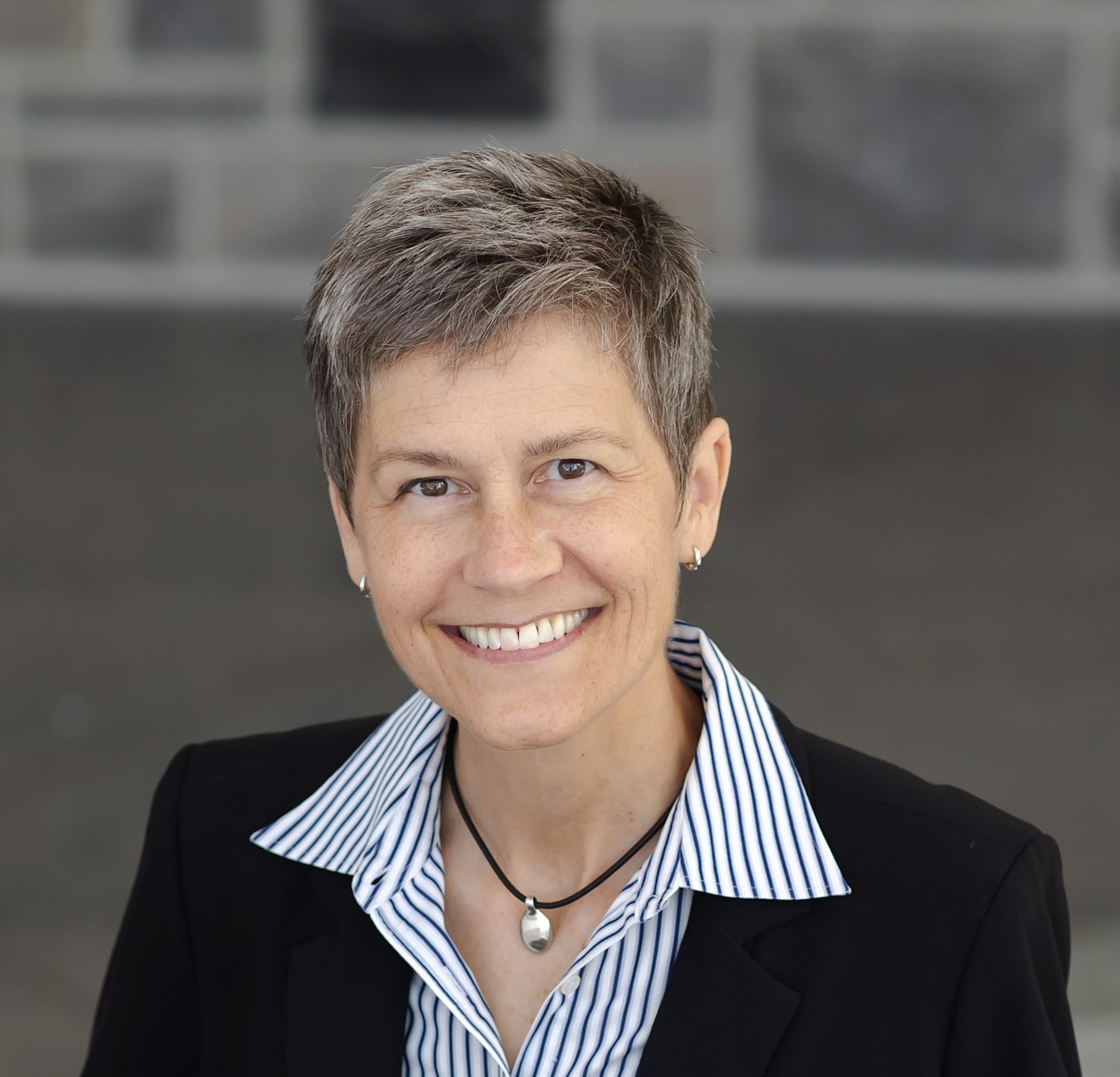 Name: Lisa M Lee Name: Lisa M LeeTitle/Institution: Senior Associate Vice President for Research and Innovation, and Professor, Department of Population Health Sciences, Virginia Tech
APPE member since: 2009
You're moderating the panel for the Opening Plenary at the annual conference, which is titled "Should I Stay or Should I Go?" What are you looking forward to hearing about from the panelists during that conversation?
I am honored to be moderating the Opening Plenary at APPE’s 2026 annual conference. The question of staying or leaving when faced with extreme ethics challenges or moral distress is one many of us will face throughout our careers. We have seen this challenge exacerbated in the past year for folks in the federal sector, with many long-serving, high-profile members of federal service resigning in protest of the capricious dismantling of agencies that serve the country’s most vulnerable. Many of these leaders have stated that they can fight for change more effectively from the outside. There is an argument, too, that in some cases when an institution acts unjustly, leaders can best create change from inside. Deciding which approach is right all things considered is one of the most difficult professional decisions one can make. I am looking forward to hearing from our panelists about what moved them (or others) to stay or go, what ethical lapses they deemed as the last straw, and what they have learned about moral fortitude as a result of those experiences.
This year our conference theme is "What Do We Owe Each Other?" We had a record number of in person proposals and over 2/3 of the submissions are related to that theme. What does that tell you (or reinforce) about the importance of this topic, and APPE, at this moment?
I love this year’s conference theme, What Do We Owe Each Other? We have seen a recent resurgence of extreme neoliberalism—and the false belief that if individuals just work hard enough, they can succeed. Hard work is no doubt a component of flourishing, but alone, it only works for those few for whom the system is already arranged to favor. And such a system, by definition, means that there are some winners who work hard and many, many others who no matter how hard they work, cannot reach parity. We can decide to change these systems, to decide that we owe each other a more fair and equitable shot at success. We can also redefine what success looks like; for many of us, accumulating excessive wealth is not the goal of a life well lived. I have been reading about the idea of how ethics and living in community are essential for flourishing. Ethics is foundationally about how we decide to live together. As Philip Kitcher puts it, “ethics is a social technology…” And as social beings, we have obligations to each other, and to all living things around us. How we prioritize these other-regarding obligations says a lot about us as a species. I’m looking forward to hearing more about what other conference attendees are thinking about this topic at this unusual time in our shared history.
You're also an advocate and supporter of preparing for APPE's future. You were among the first to help fund an APPE Endowment. Why is it important that APPE establish an endowment, and is around for decades to come?
APPE has been my professional home for nearly two decades. From the moment I approached the registration desk at my first APPE meeting, I have felt as though I’ve found my people. To discover an organization filled with smart, thoughtful, kind humans was one of the most impactful things in my development as an ethicist and ethics educator. Over the years, I have grown enormously grateful for the APPE community. I have presented work at many meetings, served as a judge for countless Intercollegiate Ethics Bowl matches, served as Chair of the APPE Board of Directors, and, most importantly, built lasting friendships with people I admire. I cannot imagine a future without APPE, without a place for the next generation of ethics professionals to thrive. My hope is that the APPE Endowment Fund will help us serve our community far into the future.
What are you excited about for the year ahead?
On a personal note, next year my book group will be approaching its 25th year and I am excited to continue to discover beautiful fiction and engage in lively discussions! |
|
Newsy and Noteworthy
Ethics in the News - AI country hit 'Walk My Walk' sparks questions of attribution, ethics (ABC)
- New study: AI chatbots systematically violate mental health ethics standards (Brown)
- SPJ board endorses reviewing SPJ Code of Ethics as Code marks its 100th anniversary (Society of Professional Journalists)
Member News - The American Psychological Association (APA) Ethics Committee has recognized USF Psychology Professor (and APPE member) Tiffany Chenneville with the 2025 Lifetime Award for Accomplishments in Ethics Education. The annual award is given to a psychologist who has made outstanding contributions to ethics education across all fields of psychology and demonstrated lifetime accomplishments in the area. Learn more.
Jobs & Events
Have you seen our job and event emails? Limited free access to post jobs and events of interest in the weekly email (as well as in the Info Hub) is a benefit of membership. If you're a member and would like to submit something for consideration, just login to the Member portal, go to Job & Event Postings and click "add." Non-members can access the jobs and events by creating a login but must pay a fee to list positions and events. Reach out to contact@appe-ethics.org for more info. |
|
Ethics Bowl Case to Consider Lady Justice (2025 Intercollegiate Ethics Bowl Regional Competition Case Set) Last week, Italy's parliament "approved a law that introduces femicide into the country's criminal law and punishes it with life in prison," according to the AP. This year's regional case set includes a case about that law, while it was in draft form, and encourages discussion about how to deter gender-based violence, including legislative solutions and social programs that address the root causes.
The case ends with an alternate viewpoint about the law, though: "If perpetrators of crimes against women are punished more harshly, this would entail comparatively lesser punishments for crimes against men. Additionally, femicide legislation may raise questions about how to punish crimes against those who do not identify with either sex." Read the case (#12) here, then discuss with your friends, family and colleagues. |
|
|
|


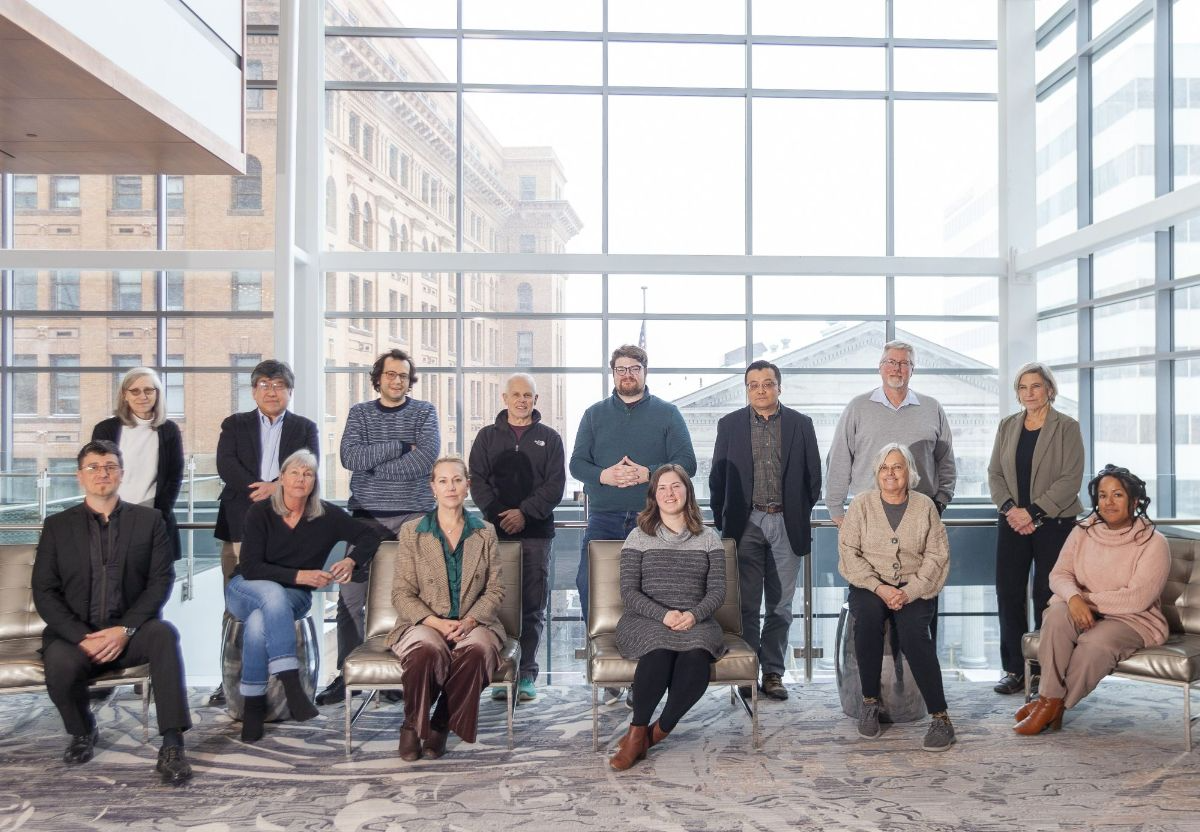
 We had a record number of in person proposal submissions this year! Thank you for your patience as they were all peer reviewed. We will be sending notifications next week regarding acceptances to present at the in person and virtual conference and the paper awards. Please keep an eye on your inbox and respond in a timely manner with your acceptance to present. Thank you to all of our conference abstract and paper award reviewers.Learn more about our keynote and opening